 MultiMed Engineers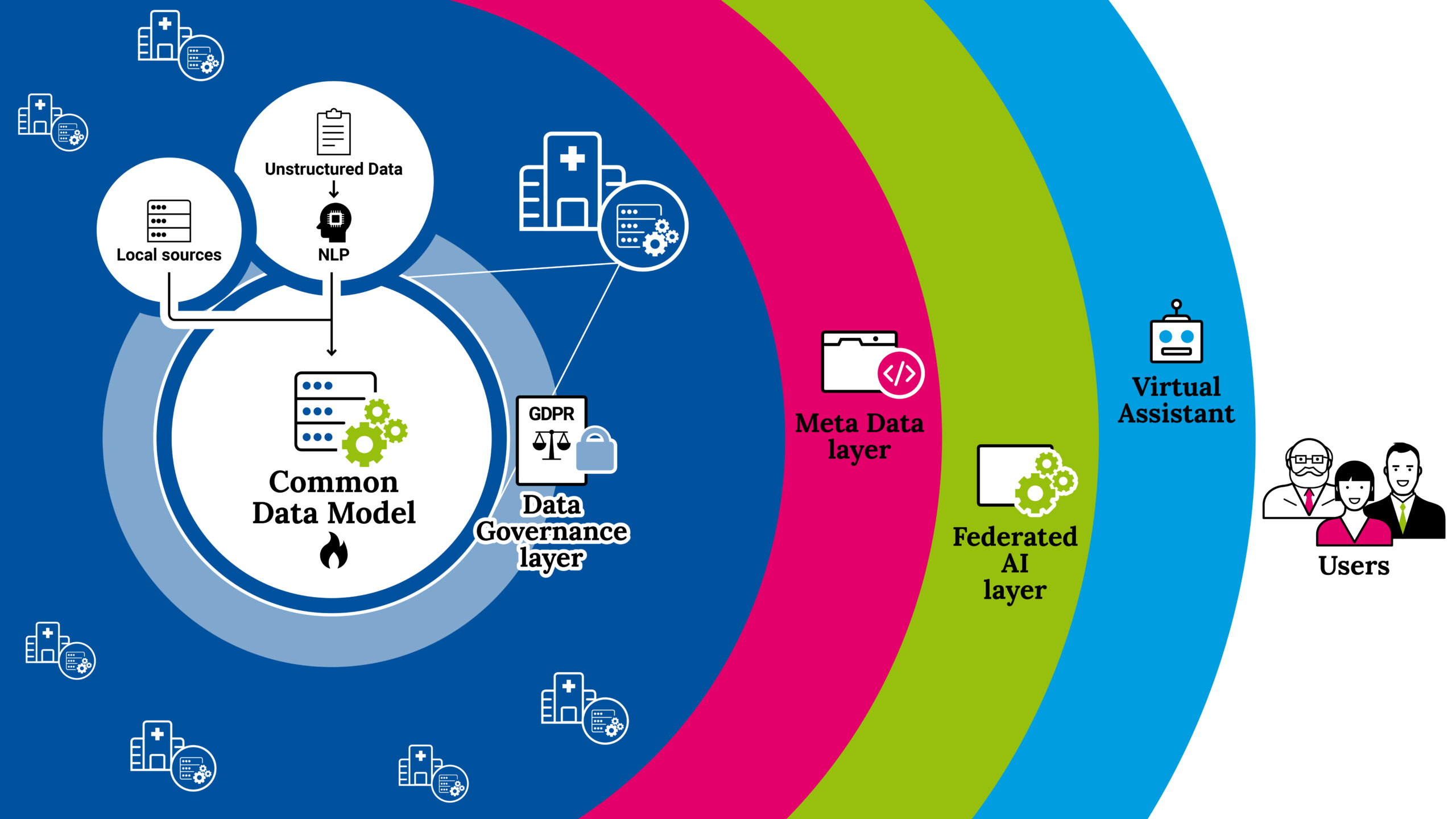
The IDEA4RC project is delivering a portfolio of innovative digital solutions designed to support the secure, interoperable, and effective use of health data in rare cancer research.
 MultiMed Engineers
 ![IDEA4RC-Infografica_NUOVA_5-1-scaled[1]](https://www.multimedengineers.com/site/wp-content/uploads/2026/06/IDEA4RC-Infografica_NUOVA_5-1-scaled1-266x200.jpg)
The IDEA4RC project is delivering a portfolio of innovative digital solutions designed to support the secure, interoperable, and effective use of health data in rare cancer research.


On 23 and 24 May 2026, MultiMed Engineers attended the Privacy Symposium 2026 in Venice, seizing an excellent opportunity to understand the impact of the evolving legal, ethical and technology landscape on the management of personal data in the PROTECT-CHILD project and, in collaboration with the other attending partners UDG Alliance and Universidad Politécnica de Madrid, to also raise awarness on the project ongoing activities.
Of particular importance have been the sessions on:
Highlights from the ENKORE project, including its presence at the Medical Packaging Conference 2025, partner visits to GreenCycl to explore recycling best practices, representation at the DiCE Annual Event in Brussels, and discussions on circularity at Sustainability Day. The newsletter also shares insights into ENKORE’s eco-design objectives and ongoing progress.
Source: Welcome to the ENKORE Newsletter First edition with the latest updates from across the project!

MultiMed Engineers presented the the PROTECT-CHILD study protocol, exploring how secure data sharing across clinical centers can improve the management of transplanted children, during the STAR-AI Workshop, organized at the BHI2025 Conference held on November 29th, 2025, in Atlanta.

MultiMed Engineers has been invited to present the IDEA4RC project and its need for high-quality data in rare cancer reasearch as a pareallel presentation held at the Datathon on “Datos sintéticos en salud“, organized by the Health Research Institute of the Hospital Clínico San Carlos (IdISSC).
The event took place in Madrid, on November 21st and 22nd, 2025 (structure and agenda available here) and it represented a unique opportunity to exchange opinions and discuss with experts how the generation of synthetic data can address the intrinsic scarcity of datasets for rare cancer research and the need for more robust personal data protection techniques.