 MultiMed Engineers
The IDEA4RC Project has developed a federated data ecosystem to support the secure sharing and reuse of health data for rare cancer research. The approach enables participating healthcare organisations to collaborate on distributed clinical data while keeping sensitive patient-level information within the institutional perimeter.
As the project approached its conclusion, an important question was therefore how this technically complex infrastructure could remain operational beyond the period covered by Horizon Europe funding.
Within IDEA4RC’s sustainability and exploitation activities, MultiMed Engineers carried out an operational cost assessment of the federated platform, with the aim of providing a reference economic framework for healthcare organisations participating in, or considering joining, the ecosystem.
Rather than assigning a single overall cost to the platform, the analysis adopted a component-based costing approach. Information collected from the technical partners responsible for the different components was used to identify software ownership and licensing conditions, setup requirements, recurring maintenance costs and infrastructure resources.
The platform components have been classified into three functional cost centres (Figure 1):
- At the local level, the assessment included components deployed within each participating Centre of Excellence (CoE), where clinical data are prepared, transformed and processed locally, such as the NLP Annotator and NLP Extractor for handling free-text clinical reports, the Quality Check Helper for validating structured data, the ETL IDEA4RC and ETL OMOP pipelines for loading and transforming data, and the Vantage6 Client for executing federated learning algorithms with the local node/capsule.
- At the central level, the analysis covered the shared orchestration services that connect the federated ecosystem, including the Vantage6 API, the Query Builder, the NLP Query Builder, and the RAVEN API.
- At the user level, it considered the main interfaces through which researchers and clinicians access the platform, notably the RAVEN Client and the Data Permit Platform.
Taken together, these components form a connected workflow in which data are prepared locally, coordinated through central services, and made accessible through dedicated user applications (Figure 1).
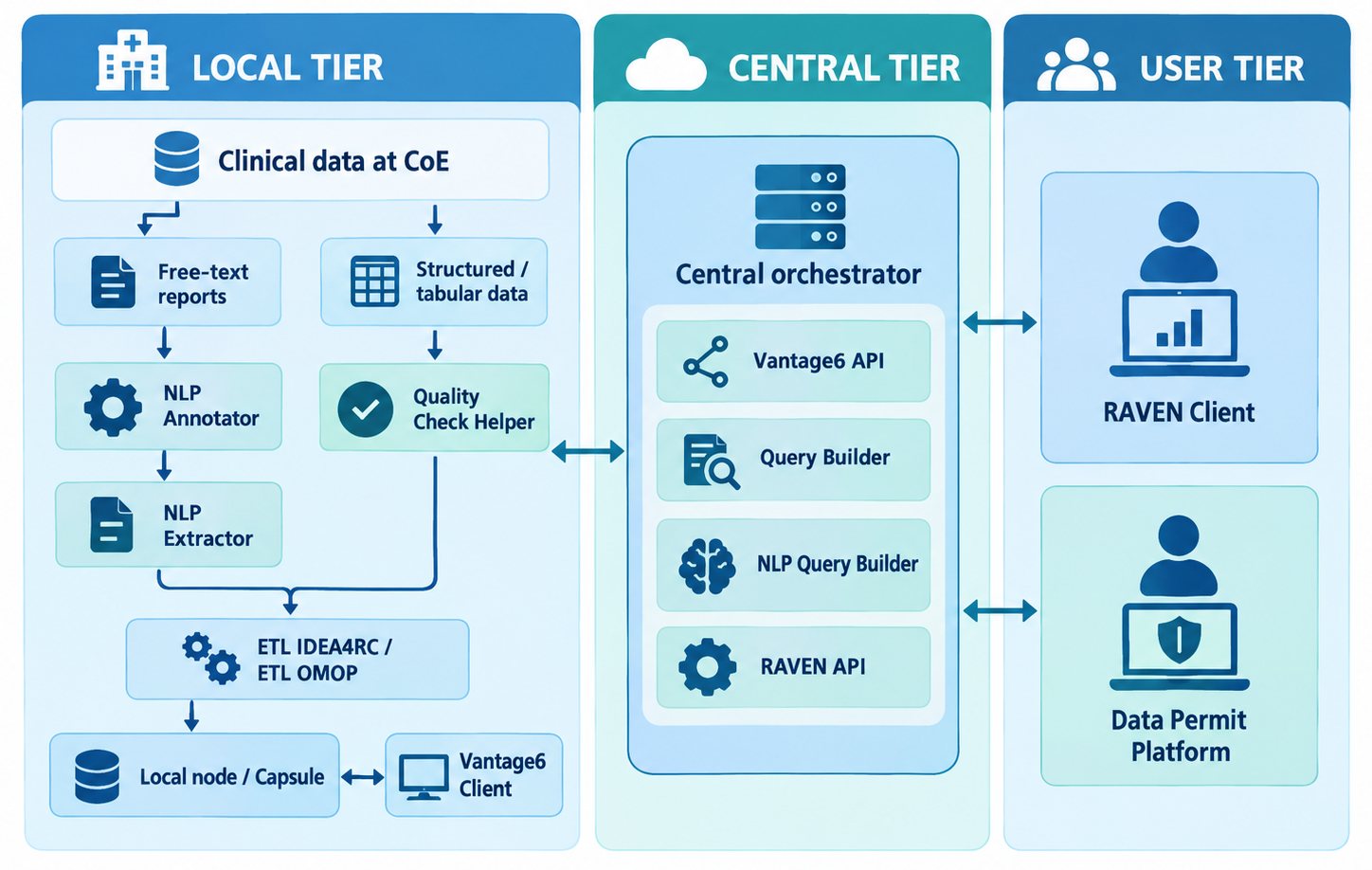
Figure 1. Component-based cost structure adopted for the IDEA4RC operational cost assessment.
This decomposition is particularly important for a federated infrastructure. Some expenditure is directly associated with each individual participating centre, whereas other costs originate from shared central services. The latter can be distributed among participating organisations and may therefore progressively benefit from economies of scale as the network grows.
The analysis also distinguishes two different situations.
- For a new Centre of Excellence joining the ecosystem, the economic assessment must consider both the one-off costs required to configure and integrate the new node and the recurring costs needed to maintain it.
- For a centre already participating in the IDEA4RC federation, the initial setup and data-integration activities have already been carried out, making recurring lifecycle-management costs the main consideration.
To obtain comparable figures, cost information provided according to different assumptions and calculation methods was normalised to common reference units, primarily cost per year per CoE.
Under the reference configuration analysed, the resulting standardisable cost baseline was approximately (Figure 2):
- €34,980 per CoE as a one-off onboarding cost;
- €63,485 per CoE per year for lifecycle management and maintenance.
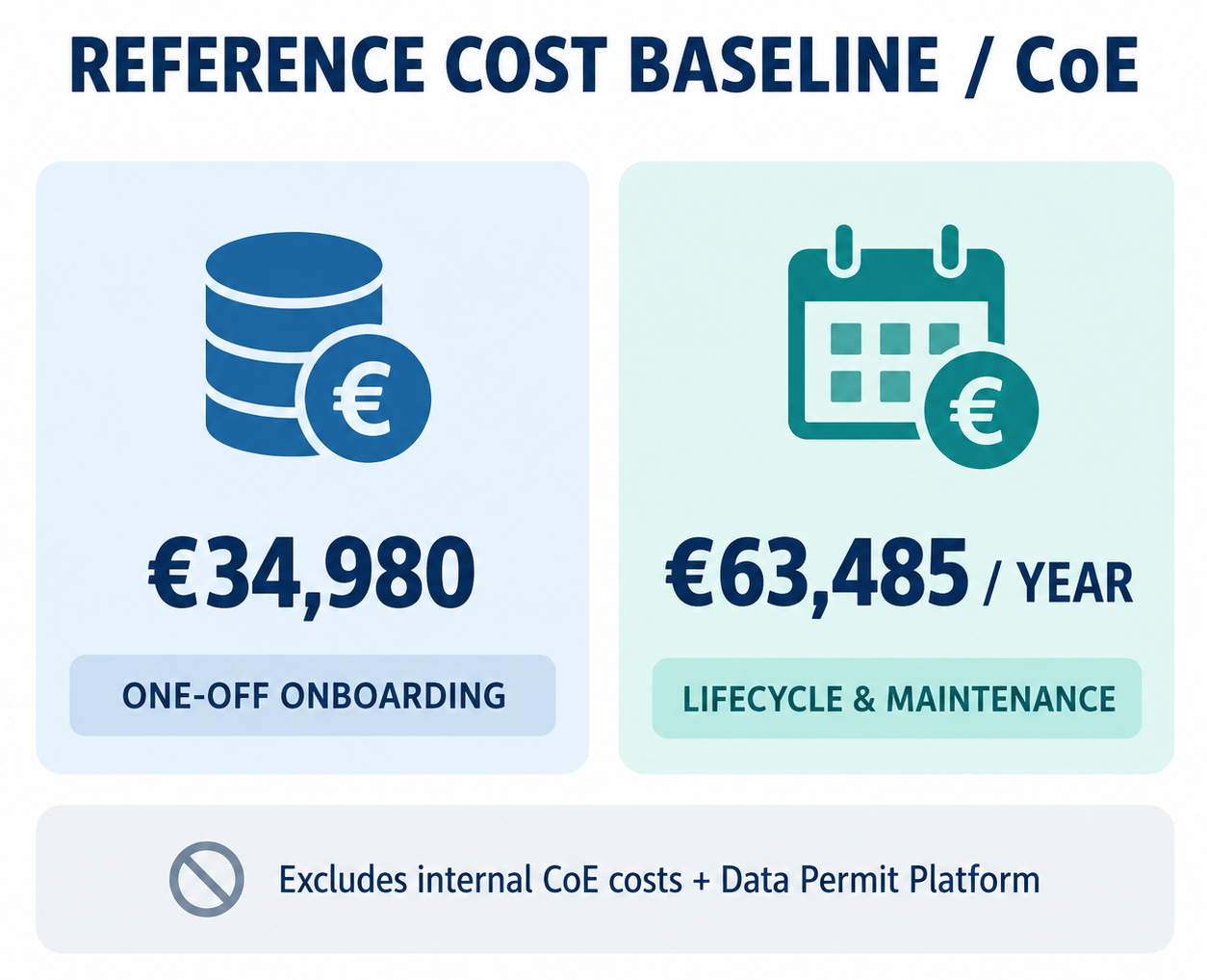
Figure 2. Reference cost baseline estimated for onboarding and operating one IDEA4RC Centre of Excellence.
The estimate should not, however, be interpreted as a complete and universally applicable Total Cost of Ownership.
In particular, internal costs sustained by the participating healthcare organisation are not included. These may involve local IT specialists, data engineers, infrastructure management, data preparation activities and other professional resources required to maintain the local integration pipelines. Their magnitude depends strongly on the technological maturity, existing infrastructure and organisational arrangements of each individual centre and therefore cannot be meaningfully standardised across the network.
The model also provides a reference infrastructure configuration for the local node, while recognising that the corresponding expenditure can vary substantially between organisations. A centre already equipped with suitable computing resources will face a very different investment requirement from an organisation that needs to provision additional infrastructure.
Finally, the assessment did not include the operational cost of the Data Permit Platform, since a sufficiently consolidated empirical cost basis for its operation was not yet available when the analysis was performed.
The resulting framework is therefore intended primarily as a planning and sustainability instrument. By separating local, central and user-related expenditure, distinguishing onboarding from recurring costs and identifying expenditure that can potentially be shared across an expanding federation, it makes the economics of the IDEA4RC infrastructure more transparent.
This work complements the technical deployment and validation activities carried out within IDEA4RC by addressing another important dimension of research infrastructure sustainability: understanding not only whether an innovative digital ecosystem can operate, but also what resources are required to keep it operational and extend it to new participating healthcare organisations after the end of the funded project.